Mangrove Restoration Project – Indonesia
Project Overview
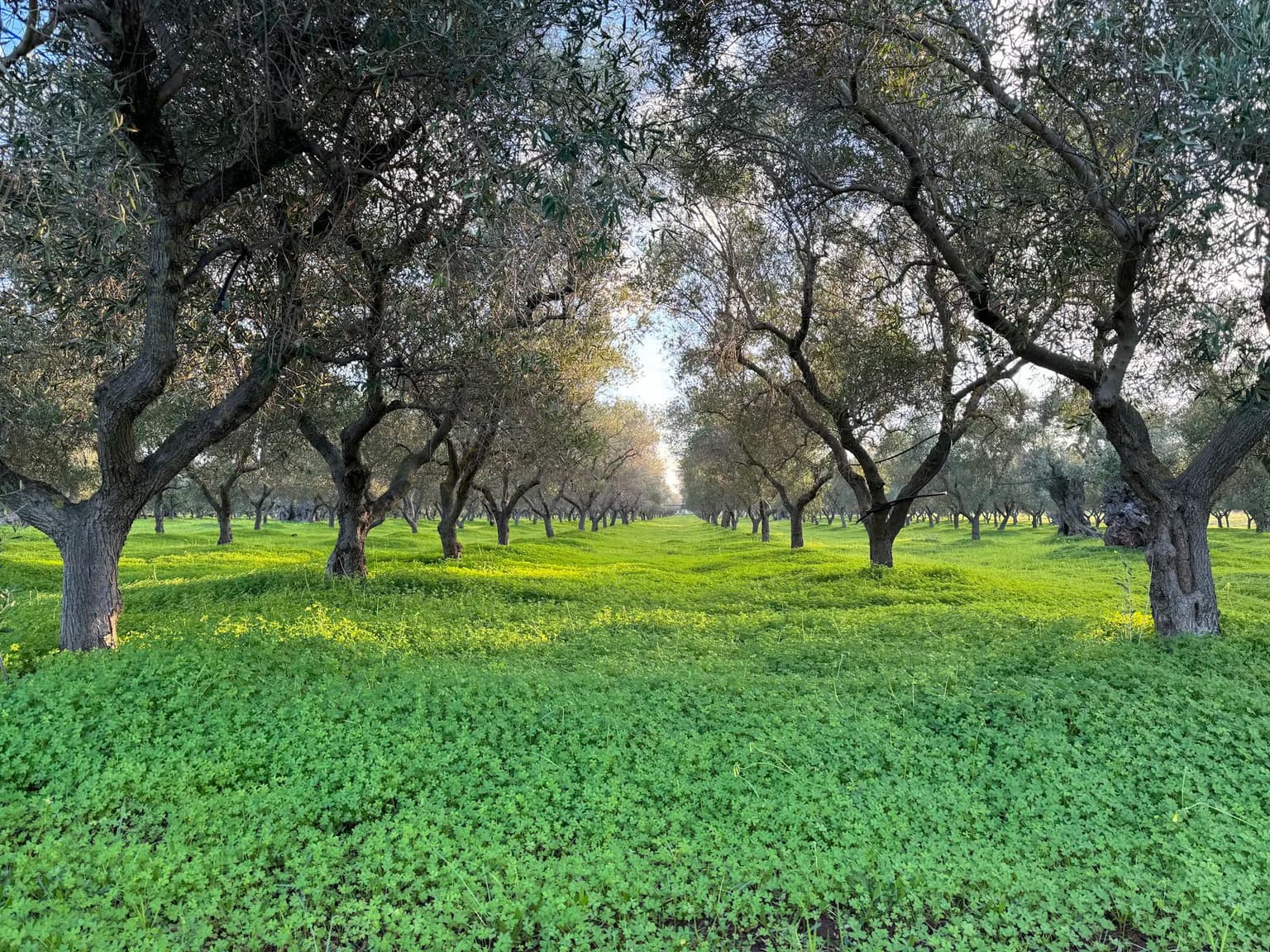
The Mangrove Restoration Project – Indonesia restores degraded mangrove ecosystems along the Borneo coastline, transforming vulnerable coastal areas into high-value blue carbon systems. Mangroves are among the most effective natural carbon sinks, storing significant carbon in biomass and sediments.
The project strengthens coastal resilience while delivering long-term carbon removals and biodiversity benefits.
Technology & Methodology
Implemented under Gold Standard ARR, the project includes native mangrove planting, hydrological restoration, and community-based nursery development. Restoration sites are selected based on historical mangrove coverage and suitability for long-term survival.
Carbon Removal
- Long-term carbon storage in biomass and sediments
- High permanence due to waterlogged conditions
- Low reversal risk
Environmental & Social Co-Benefits
Mangrove restoration improves coastal protection, supports fisheries, and enhances biodiversity. Local communities benefit from employment, training, and improved livelihoods linked to healthier coastal ecosystems.
SDGs Alignment
The project supports SDGs 13, 14, and 15, contributing to climate action, life below water, and ecosystem restoration.
Blue Carbon
This project follows the Blue Carbon methodology under the Gold Standard standard, focusing on reforestation to deliver verified carbon credits.
Each credit represents one tonne of CO₂ emissions reduced, removed, or avoided, as verified by registry-approved third-party auditors.
Data for this project
Latest credit retirements for this project
Enter your business information to see if this project is a good match