Forest Carbon Restoration – Brazil Amazon
Project Overview
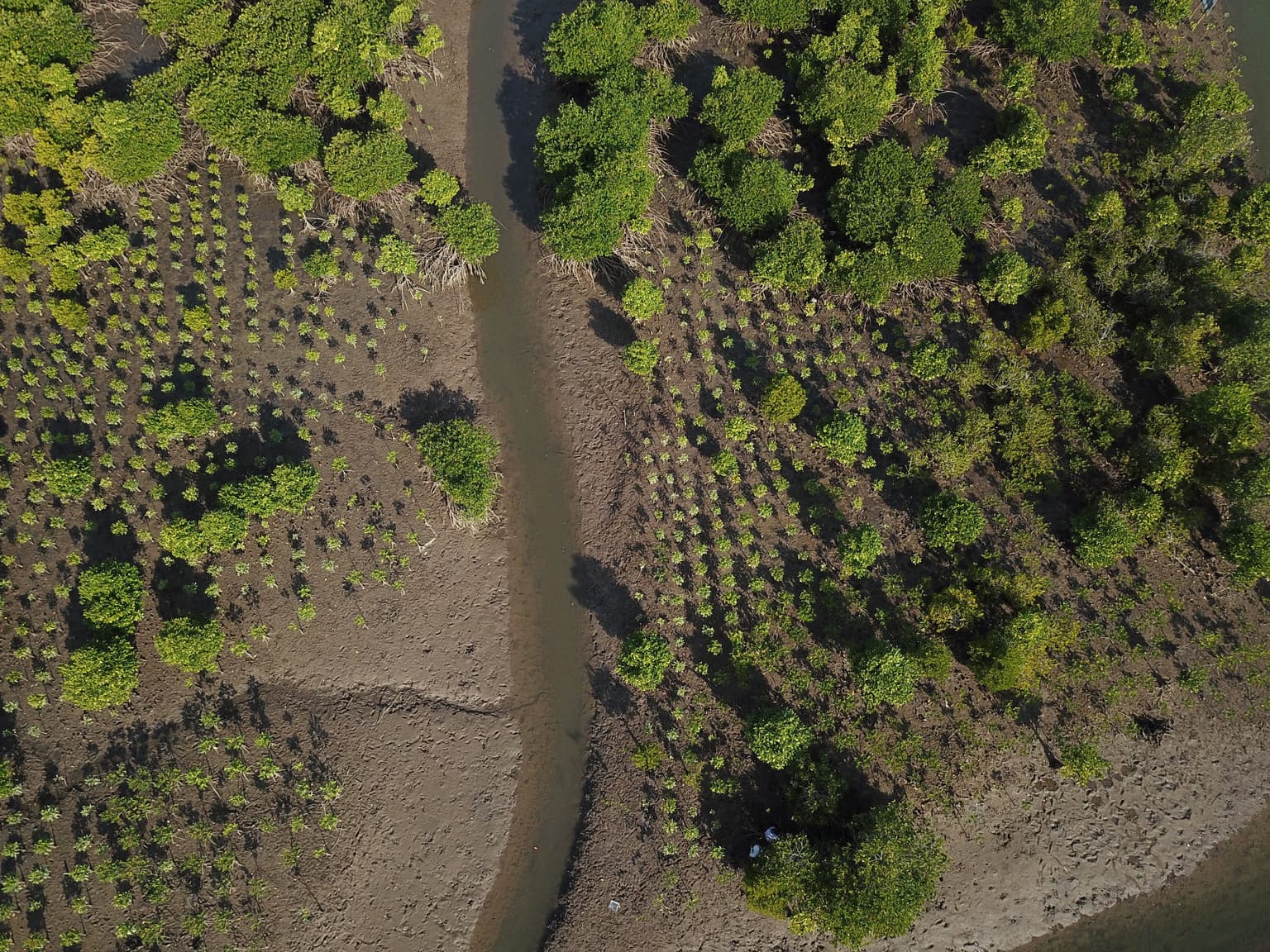
The Forest Carbon Restoration – Brazil Amazon project focuses on restoring degraded and deforested land within the Amazon biome, one of the world’s most important carbon sinks. Historical land-use pressures have resulted in forest loss, biodiversity decline, and increased greenhouse gas emissions.
The project applies a combination of assisted natural regeneration and targeted reforestation using native species to rebuild forest structure and ecological function. Restoration activities are aligned with long-term conservation planning and regional land-use strategies.
Methodology & Implementation
Certified under Verra VCS ARR, the project includes native species planting, protection of natural regrowth, fire prevention measures, and controls against illegal logging. Carbon stocks are monitored using field-based biomass assessments, satellite imagery, and remote sensing tools.
Carbon Removal
- Long-term sequestration in above- and below-ground biomass
- Reduced deforestation and degradation risks
- High permanence supported by legal land protection
Environmental & Social Co-Benefits
The project restores wildlife habitat, improves watershed stability, and enhances regional climate resilience. Local communities benefit from employment, capacity-building, and participation in long-term forest stewardship programs.
SDGs Alignment
The project contributes to SDGs 13 and 15, supporting climate mitigation and ecosystem conservation.
Waste Disposal
This project follows the Waste Disposal methodology under the Verra standard, focusing on reforestation to deliver verified carbon credits.

Each credit represents one tonne of CO₂ emissions reduced, removed, or avoided, as verified by registry-approved third-party auditors.
Data for this project
Latest credit retirements for this project
Enter your business information to see if this project is a good match